Quavon Development
SaaS development · across Germany

SaaS development — platforms that still hold at customer 500

We build multi-tenant SaaS products with subscription billing, documented APIs and hosting in the EU. And we know what that costs: we develop and run three SaaS products of our own.

TixFin sells tickets and handles admission for event organisers. Enclessa is encrypted team collaboration for regulated industries, hosted in Europe. Jackpoll is an open-source survey and quiz builder, free and self-hostable. All three are in use — with the same decisions about multi-tenancy, billing and operations that your product needs.

What we build

What a SaaS platform actually needs

The interface is rarely the problem. What gets expensive is underneath it — and barely changeable later.

Multi-tenant architecture

Separation enforced at the database, not by convention. Roles, permissions and organisations designed in from the first migration.

Billing and subscriptions

Plans, trials, upgrades, proration and failed payments. Wired to Stripe, Adyen, Mollie or SEPA — including the awkward edge cases.

APIs and integrations

Documented REST APIs, webhooks and OAuth, so your customers can connect what they already use.

Authentication and security

SSO, 2FA, audit logs and session management. Where the product calls for it, end-to-end encryption too.

Operations and scaling

Docker, CI/CD, monitoring and alerting. You hear about an outage before your customers report it.

GDPR and EU hosting

Hosting in the EU, data processing agreements, export and deletion routines — built in, not retrofitted.

Our own products

We do not only build SaaS for other people

Three products we develop and run ourselves — support, billing and three-in-the-morning outages included.

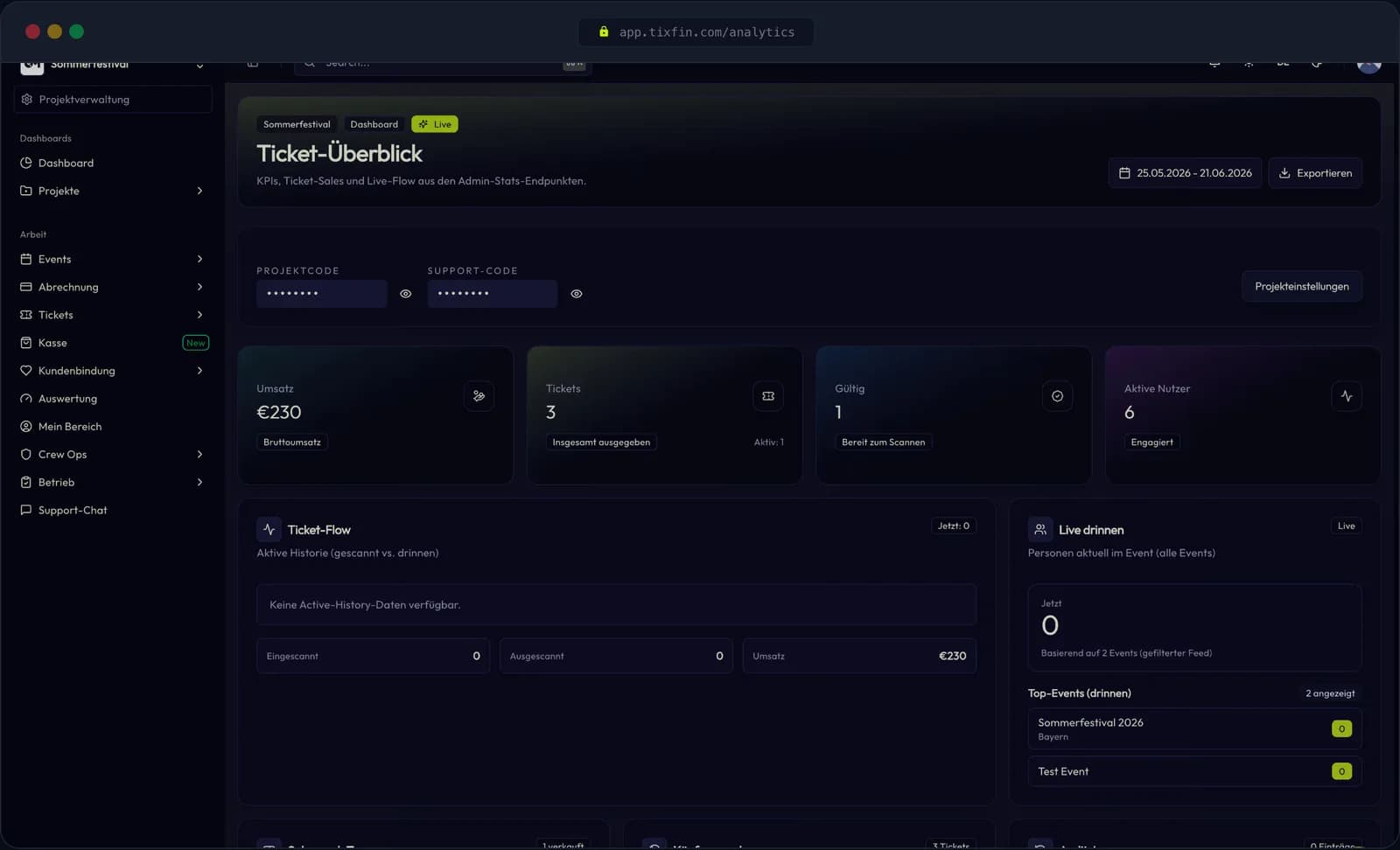
TixFin

Open Beta

Ticketing and event management: branded ticket shops, a 2D/3D seatmap editor, payments via Adyen, PayPal, Mollie and SEPA, QR code check-in, and crew and shift planning.

What we learned from it: multi-provider payment processing and real-time seatmap logic are two of the least forgiving problems in ticketing — no organiser forgives a double booking.

tixfin.com
Enclessa

Open Beta

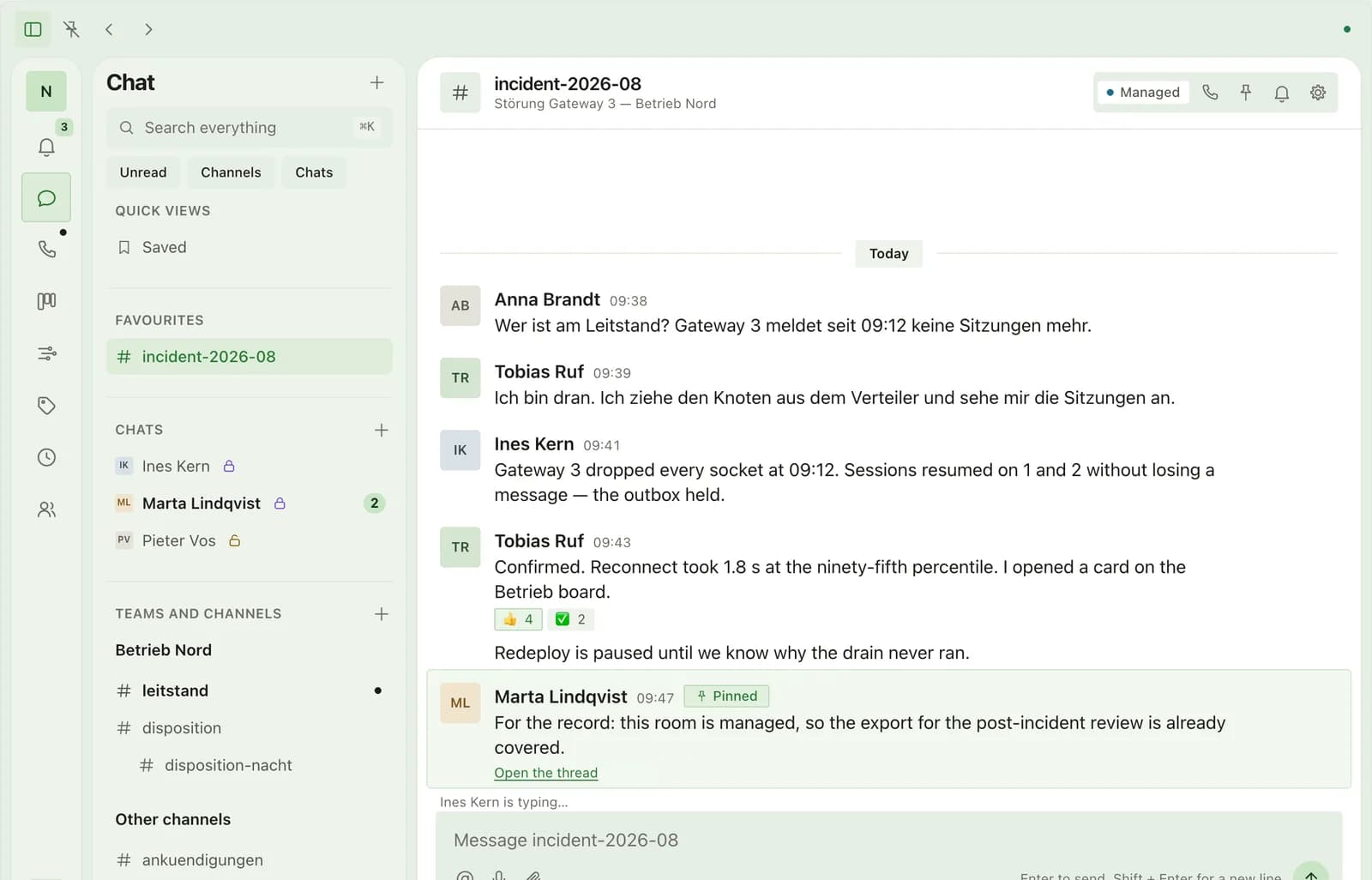
Encrypted team collaboration hosted in Europe. Direct messages end-to-end encrypted with MLS (RFC 9420), video calls with screen sharing, and modules for tasks, time tracking and personnel records.

Built for healthcare, law firms, public bodies and engineering offices — everyone who needs confidentiality without running their own infrastructure.

enclessa.app

Jackpoll

Open source

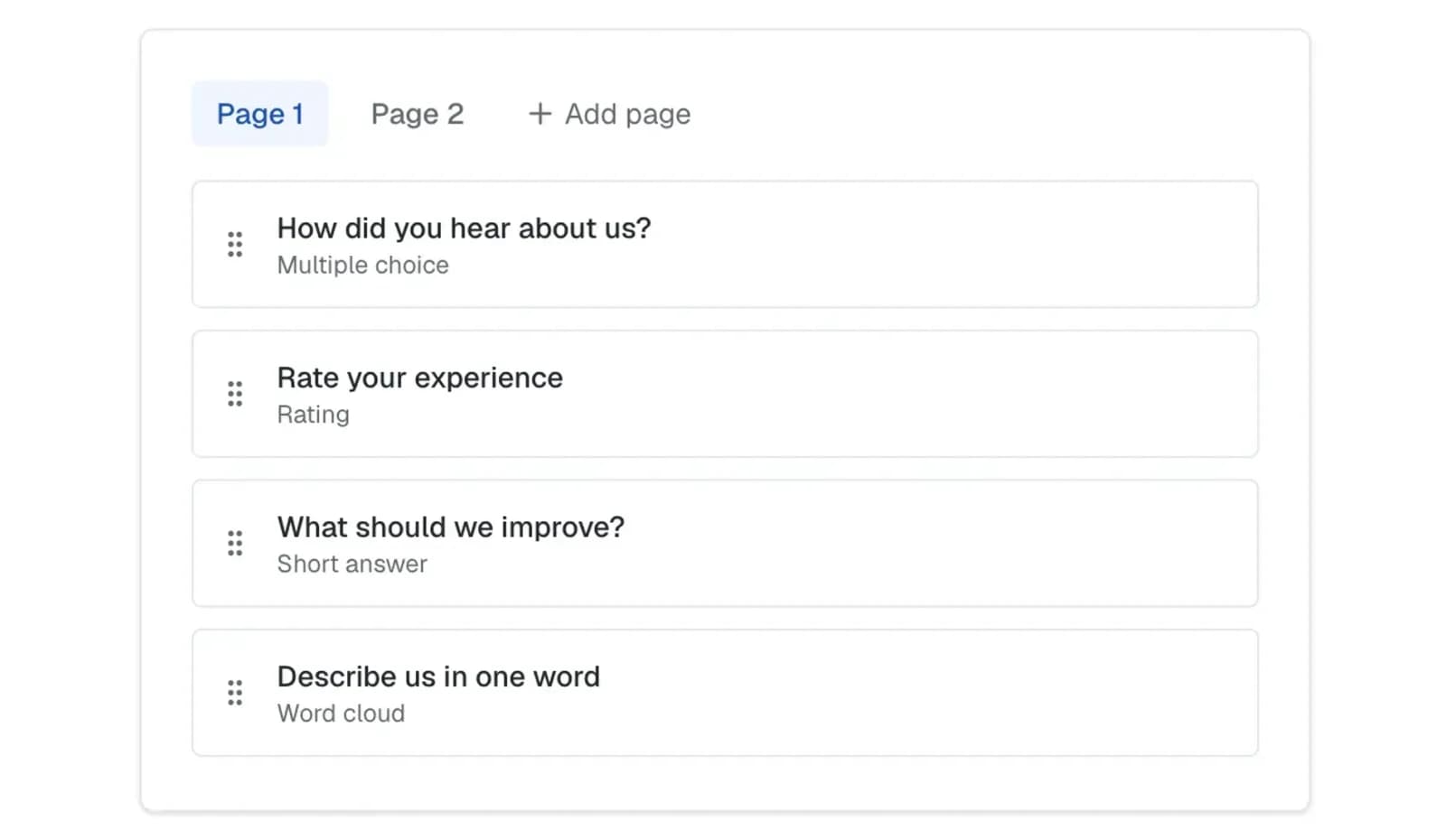
An open-source survey and quiz builder as a GDPR-compliant alternative to Google Forms: 15 question types, live word clouds, a hosted live quiz with a leaderboard, real-time results, webhooks and exports.

Open source and free: real-time results for thousands of simultaneous participants, and a product customers can host themselves — both force clean boundaries between application, data and operations.

jackpoll.org
How it runs

From concept to the first paying customer

Typical time to a usable MVP: 8 to 14 weeks.

01

First call and scoping

We work out which problem the platform solves and what the first release is allowed to leave out.

02

Architecture and quote

Tenancy model, data model, billing logic and hosting — written down, with a fixed price frame.

03

MVP development

Two-week cycles, each ending in something that runs. No months of flying blind.

04

Billing and onboarding

Plans, trials and sign-up — the part most SaaS projects start thinking about too late.

05

Launch and operations

Deployment, monitoring, alerting and backups. From here availability counts, not feature count.

06

Onward development

After launch we stay your team — for extensions, scaling and your customers' questions.

Technology

A stack you can still maintain in five years

SaaS is a long race. We pick technologies by whether another team could take them over in three years — not by what is new this month.

  • Next.js and React — server rendering, one language across front and back end
  • TypeScript — typed end to end, from the database to the interface
  • PostgreSQL and Prisma — tenant separation at the database level
  • Stripe, Adyen, Mollie and SEPA — billing and payment processing
  • Docker and CI/CD — reproducible deployments instead of manual steps
  • Monitoring and alerting — we notice an outage before your customers do
Next.js
React
TypeScript
PostgreSQL
Prisma
Docker
Node.js
Stripe
EU hosting
FAQ

Common questions about SaaS development

What is SaaS development?

SaaS development means building software that runs as a service in the browser: every customer uses the same application, each sees only their own data, and it is paid for by subscription rather than licence. The difference from a conventional application is less in the features than in the operation — multi-tenancy, billing, updates and availability belong to it from the first line.

What does building a SaaS platform cost?

The price follows the scope, not a price list. What decides it is the number of roles, how deep the multi-tenancy goes, the billing model and the integrations required. We deliberately cut the first scope small so you test with real users early instead of building blind for twelve months. After the first call you get a quote with clearly separated blocks — architecture, core feature, billing, operations — that you can commission or defer individually. The first usable release usually stands after 8 to 14 weeks.

How long until the first usable release?

A SaaS MVP usually stands after 8 to 14 weeks. After that we continue in two-week cycles: release, measure, sharpen. TixFin went into open beta after roughly four months and sells tickets for real events today.

What does multi-tenant mean, and why does it matter?

Multi-tenancy means all customers use the same application while their data stays cleanly separated. It is the decision that is most expensive to retrofit: taken too late, the separation ends up hanging on conditions in every single database query. We fix it at the start and enforce it at the database level.

Where is the data hosted?

In the EU by default, usually in German data centres. For Enclessa, EU hosting was the precondition of the entire product — direct messages there are end-to-end encrypted with MLS (RFC 9420). We set up data processing agreements, data export and deletion routines from the start, not when the first healthcare customer asks.

Do you take over an existing SaaS application?

Yes. We take on existing codebases, work our way in and first stabilise whatever hurts right now — usually deployment, tests and performance. We read the code before quoting; without that look, any estimate would be a guess.

Do you work across Germany?

Yes. We work remotely with clients across Germany, Austria and Switzerland — video call, shared board, short paths. Our seat is Rosenheim in Bavaria; on-site meetings are straightforward around Upper Bavaria and Munich, and a train ticket covers the rest.

Starten wir durch

Got a product idea — and no appetite for twelve months of flying blind?

Tell us what the platform has to do. We will tell you honestly what a sensible first scope looks like and what it costs.

Antwort in der Regel innerhalb von 24 Stunden